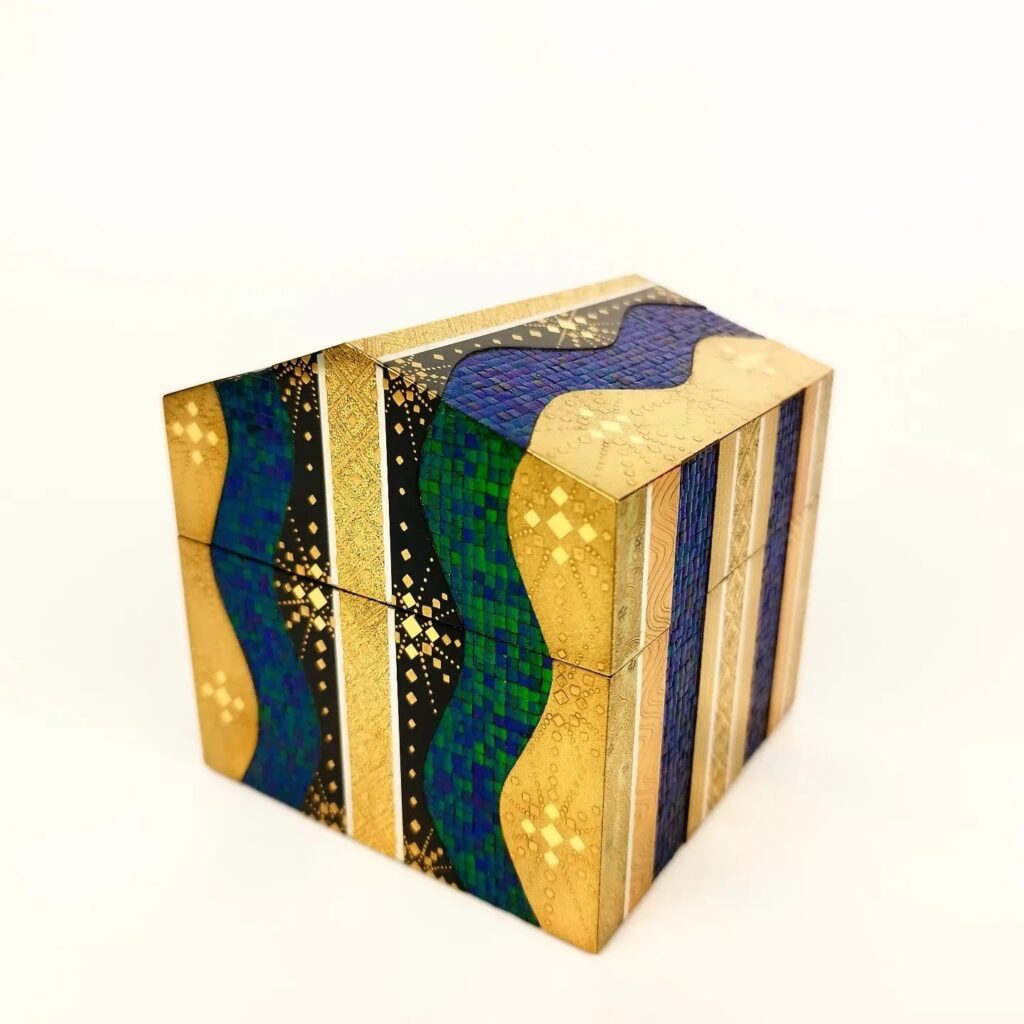
Welcome to the world of antique art and collectibles.
The Long History of Lacquer and Makie
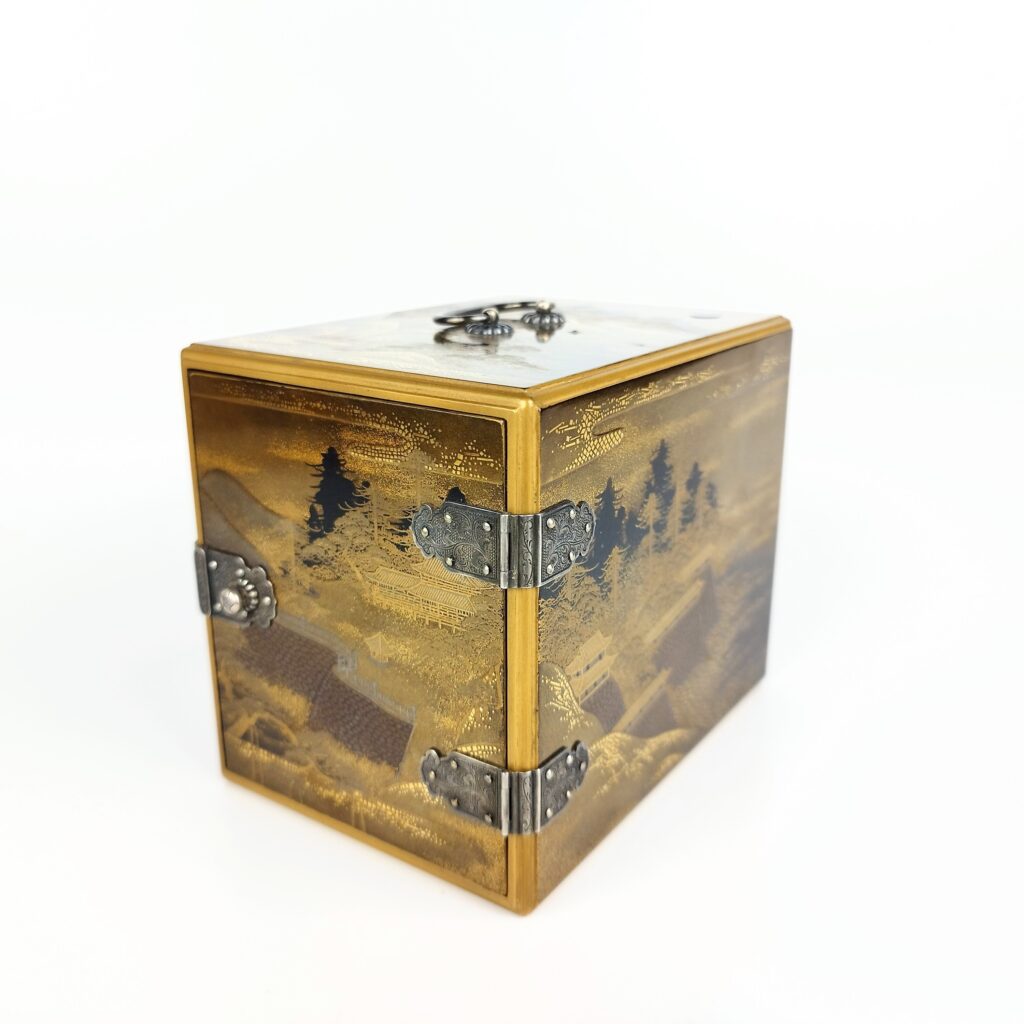
Among Japan’s many traditional crafts, “urushi” (lacquer) and “maki-e” (lacquerware with gold or silver powder) continue to captivate people with their rich history and delicate beauty. In this article, we’ll provide an easy-to-understand overview of the world of lacquer and maki-e—which are also highly sought after as antique art and collectibles—covering their history in a way that’s accessible to everyone from beginners to enthusiasts.
Alongside ceramics such as Imari ware, let’s explore the allure of lacquer art, which symbolizes the Japanese aesthetic sensibility.
The use of lacquer dates back a very long time; lacquer-coated pottery and ornaments have been unearthed from Jomon-period archaeological sites in Japan, suggesting that lacquer has been in use for approximately 9,000 years. As a natural coating and an excellent adhesive, lacquer has been used since ancient times for a wide variety of items, including utensils, architectural elements, and Buddhist statues.
Maki-e is one of the most representative decorative techniques in lacquerware. It involves painting a design with lacquer and, before it dries, sprinkling metal powders such as gold or silver onto the surface to set them in place; its origins date back to the Nara period.
- Nara Period: Techniques that served as the precursors to maki-e can be seen.
- Heian Period: As indigenous Japanese culture flourished, refined maki-e lacquerware emerged among the aristocracy. Basic techniques such as “hira-maki-e” and “togidashi-maki-e” were established, leading to the creation of furnishings featuring elegant designs.
- Kamakura and Muromachi Periods: With the rise of samurai society, bold and practical maki-e designs also emerged. Techniques for creating three-dimensional patterns, such as “takamaki-e,” were also developed.
- Azuchi-Momoyama period: Against the backdrop of a lavish and splendid culture, elaborate maki-e lacquerware featuring abundant use of gold and silver (such as Kodaiji maki-e) was created.
- Edo Period: With the advent of a peaceful era, lacquerware and maki-e became popular among a wide range of people, from feudal lords to commoners. Production centers emerged in various regions (such as Wajima-nuri, Aizu-nuri, and Yamanaka-nuri), and a diverse array of techniques and designs flourished. During this period, lacquerware was sometimes exported overseas alongside porcelain, including Imari ware. Much of the lacquerware and maki-e currently available on the antique market was produced during or after the Edo period.
In this way, lacquerware and maki-e have evolved in both technique and beauty while reflecting the culture and social conditions of each era. Holding a piece of antique lacquerware in your hands is a precious experience that allows you to imagine the atmosphere of that time and the lives of the people who lived then.
A wide variety of types and uses
Lacquerware and maki-e have been used in various aspects of our daily lives. They come in a wide variety of shapes and types.
- Tableware:
- Bowls: Soup bowls, rice bowls, and other everyday essentials. They come in a variety of shapes, finishes, and maki-e designs. They are also one of the most common items found in the antique market.
- Plates and bowls: Tableware used for serving food. They have a warmth unique to wood.
- Jubako: A stackable box used to hold food. It is commonly used during New Year’s celebrations, special occasions, and outings. Many are adorned with elaborate maki-e lacquer work.
- Tray: A platform used to hold a single serving of food. They come in various styles, including those with legs and foldable ones.
- Tosoki: A set consisting of a pitcher and a cup used for drinking tosō during the New Year. It is decorated with auspicious maki-e designs.
- Furnishings & Stationery:
- Inkstone boxes and writing boxes: Boxes used to store writing implements and letters. They are often decorated with beautiful maki-e lacquer work on both the front and back of the lid.
- Handbox: A box for storing small personal items. It may also contain items such as cosmetics.
- Incense box: A small container for holding incense. It is also used as a tea ceremony utensil.
- Shelves and chests of drawers: Furniture used to store clothing and other items. Lacquered pieces were considered high-quality items.
- Tea ceremony utensils:
- Natsume / Tea Caddy: A container for holding matcha. It is particularly prized in the world of the tea ceremony, and many outstanding works by master craftsmen have been preserved.
- Incense burner: It is sometimes used to burn incense during tea ceremonies.
- Other:
- Inro: A portable container for holding medicine or other items, worn at the waist. Decorated with intricate maki-e lacquer work, it was often enjoyed alongside netsuke.
- Combs and hairpins: Hair ornaments. Those decorated with lacquer and maki-e added a touch of elegance to one’s attire.
These lacquerware and maki-e pieces are highly valued not only as functional objects but also as works of art and craftsmanship. Their value as antiques, in particular, is determined by factors such as their condition, the period in which they were made, the artist (whether or not they are signed), the intricacy of the techniques used, and the beauty of the design.
Imari Ware, Lacquerware, and Makie: The Harmony of Different Materials
During the Edo period, Japanese crafts were highly regarded overseas. The most representative examples were Imari ware (Hizen porcelain, such as Arita ware) and lacquerware. These were often exported together. For example, there are records showing that luxurious Imari ware vases and plates were shipped to Europe and other regions housed in lacquered boxes and shelves designed to protect and display them.
The hard, lustrous beauty of porcelain and the deep, rich sheen of lacquerware. Though made from different materials, both are masterpieces born of the exceptional skill and aesthetic sensibility of Japanese artisans. In the world of antiques, Imari porcelain and lacquerware are both highly sought after and popular items for collectors. The fact that these two distinct materials harmonize so beautifully within a Japanese setting demonstrates the profound depth of Japanese craftsmanship.
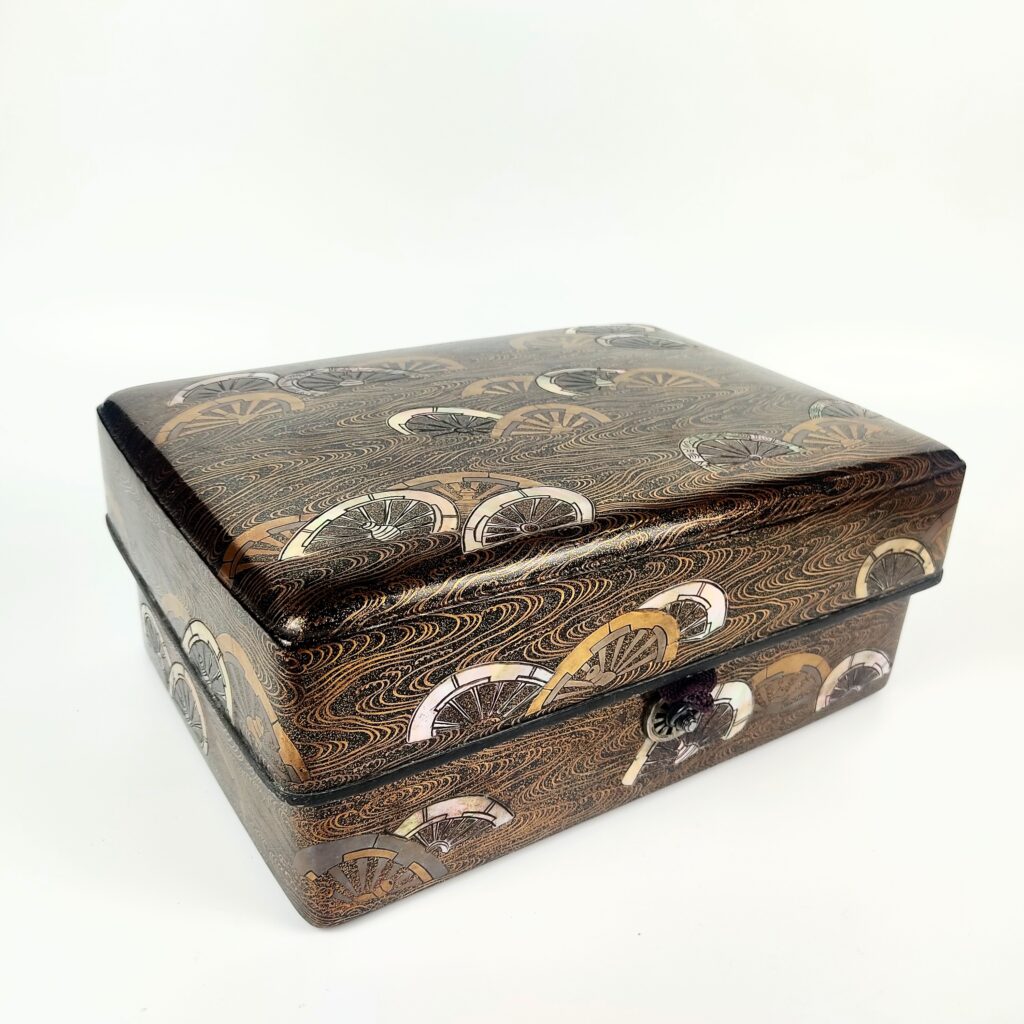
The Joy of Selecting Lacquerware and Makie as Antiques
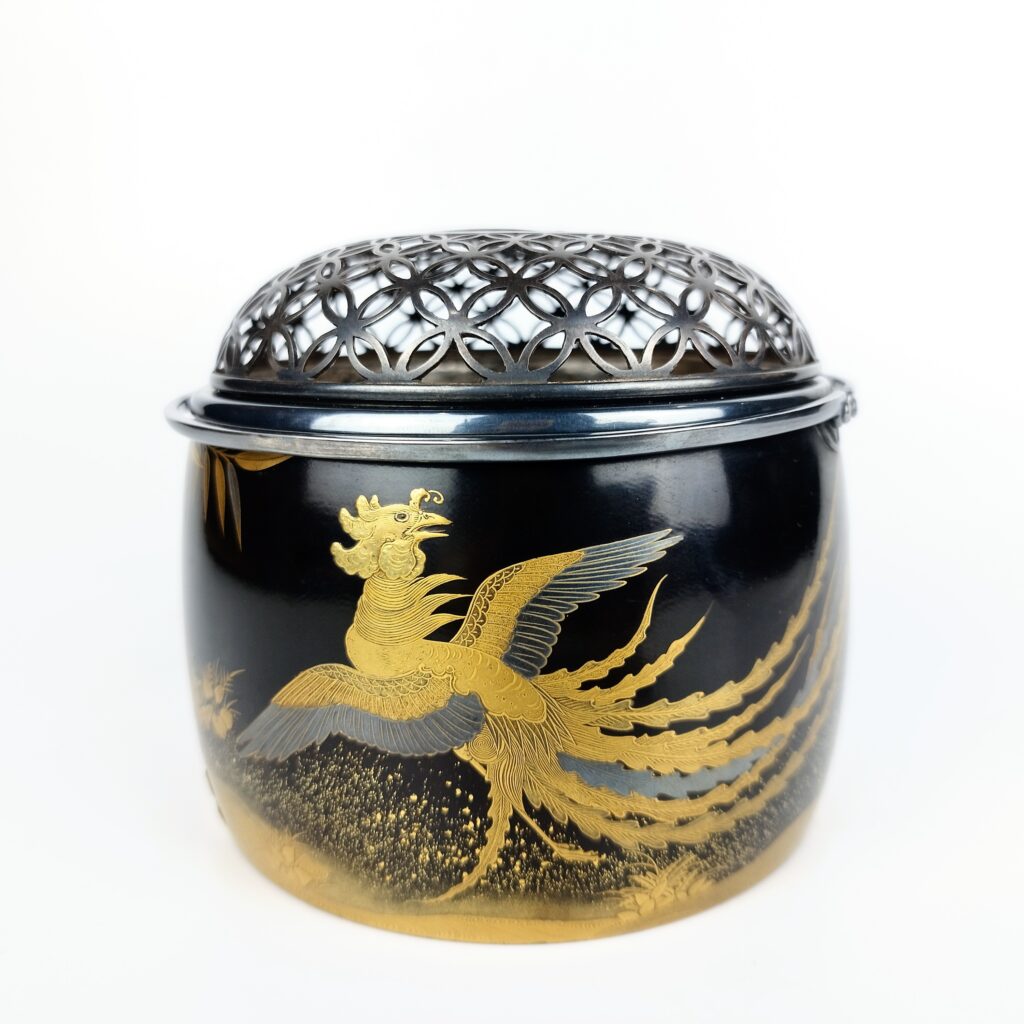
If you’re interested in antique lacquerware and maki-e, where should you start?
- For Beginners: First, take a good look at the overall condition of the piece. Check for any major scratches, chips, or warping, and look for signs of previous repairs. It’s also a good idea to choose a piece based on a design you like. The best approach is to hold it in your hands and select something that feels right and that you can grow attached to.
- Once you’ve gotten the hang of it: Try focusing on the “period” and “techniques” used (such as hira-maki-e and takamaki-e). Another point to check is whether the artist’s “signature” is inscribed on the foot (the bottom of the vessel).
- One of the greatest joys of collecting antiques is exploring specific historical styles (such as Kodaiji maki-e and Nanban maki-e), famous production regions (such as Wajima and Aizu), and works by renowned artisans.
As with any antique, it’s important to purchase from a reputable shop. Listen carefully to the description of the item and choose something you’re satisfied with.
Summary: The World of Lacquer and Makie Art in Everyday Life
Lacquerware and maki-e are traditional crafts that have evolved over Japan’s long history and have enriched our daily lives. From tableware to furnishings and decorative items, their uses are wide-ranging, and each piece is imbued with the craftsmanship and aesthetic sensibility of the artisans who created them.
Lacquerware and maki-e pieces that have survived as antiques are not merely old; they convey a timeless, universal beauty and the warmth of their creators. Along with ceramics such as Imari ware, they offer a glimpse into Japan’s rich cultural heritage.
Why not pick up a piece of antique lacquerware or maki-e yourself and experience its profound charm?
It is sure to bring new color and richness to your daily life.